GPAT Question Paper 2013

GPAT
GPAT2013Download GPAT 2013 question paper with answers free download PDF.
Downloaded from nta.ac.in
About this paper
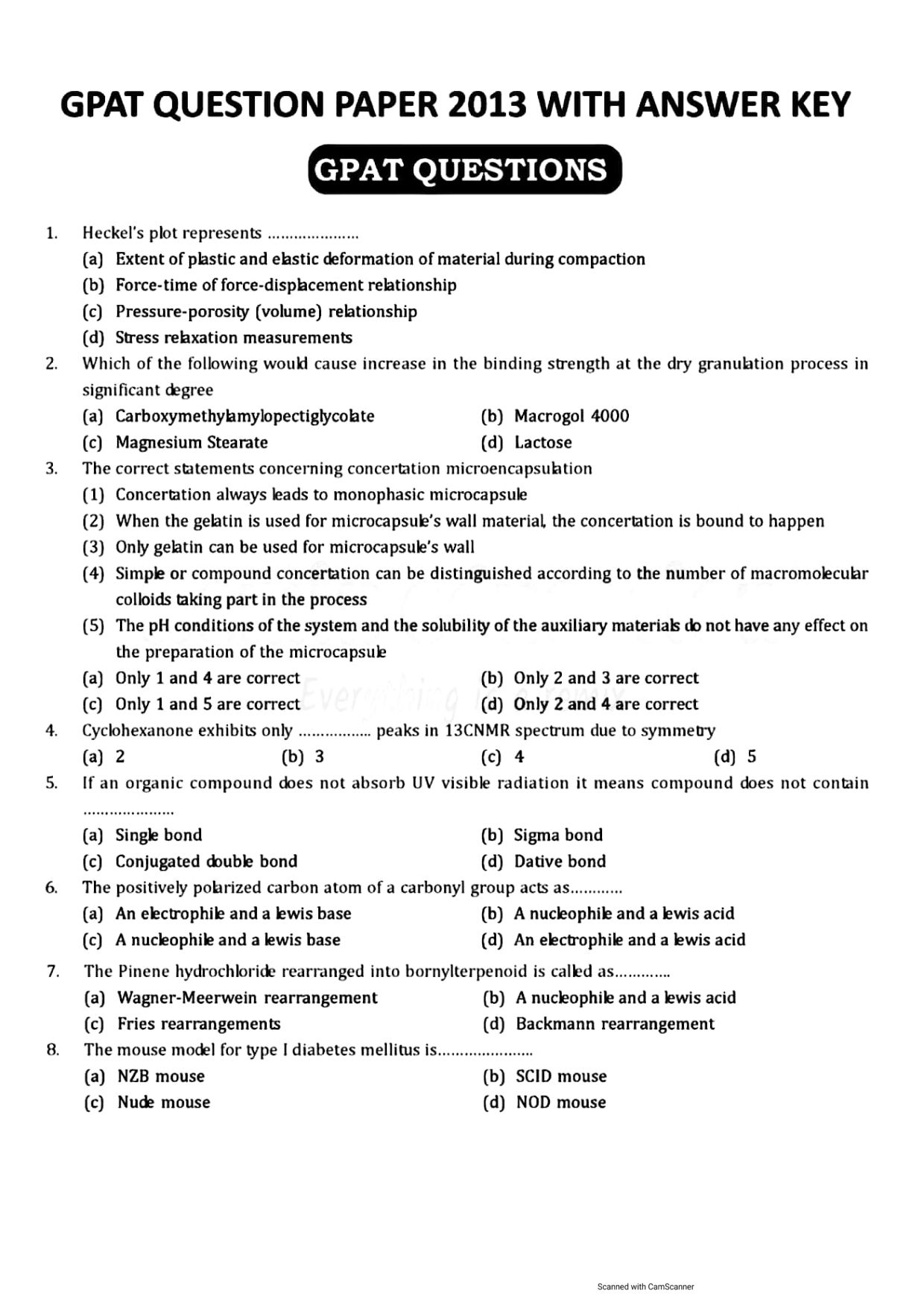
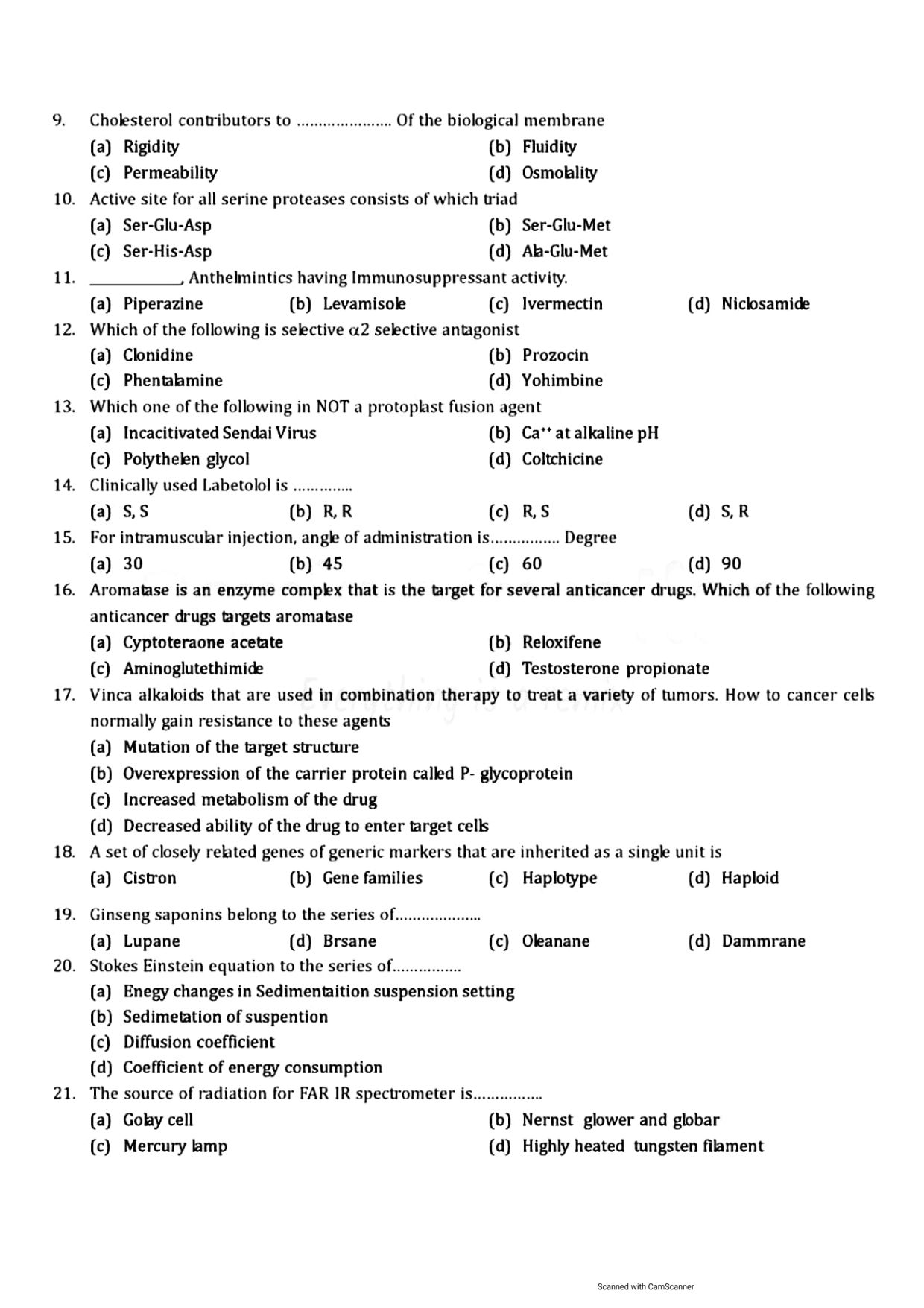
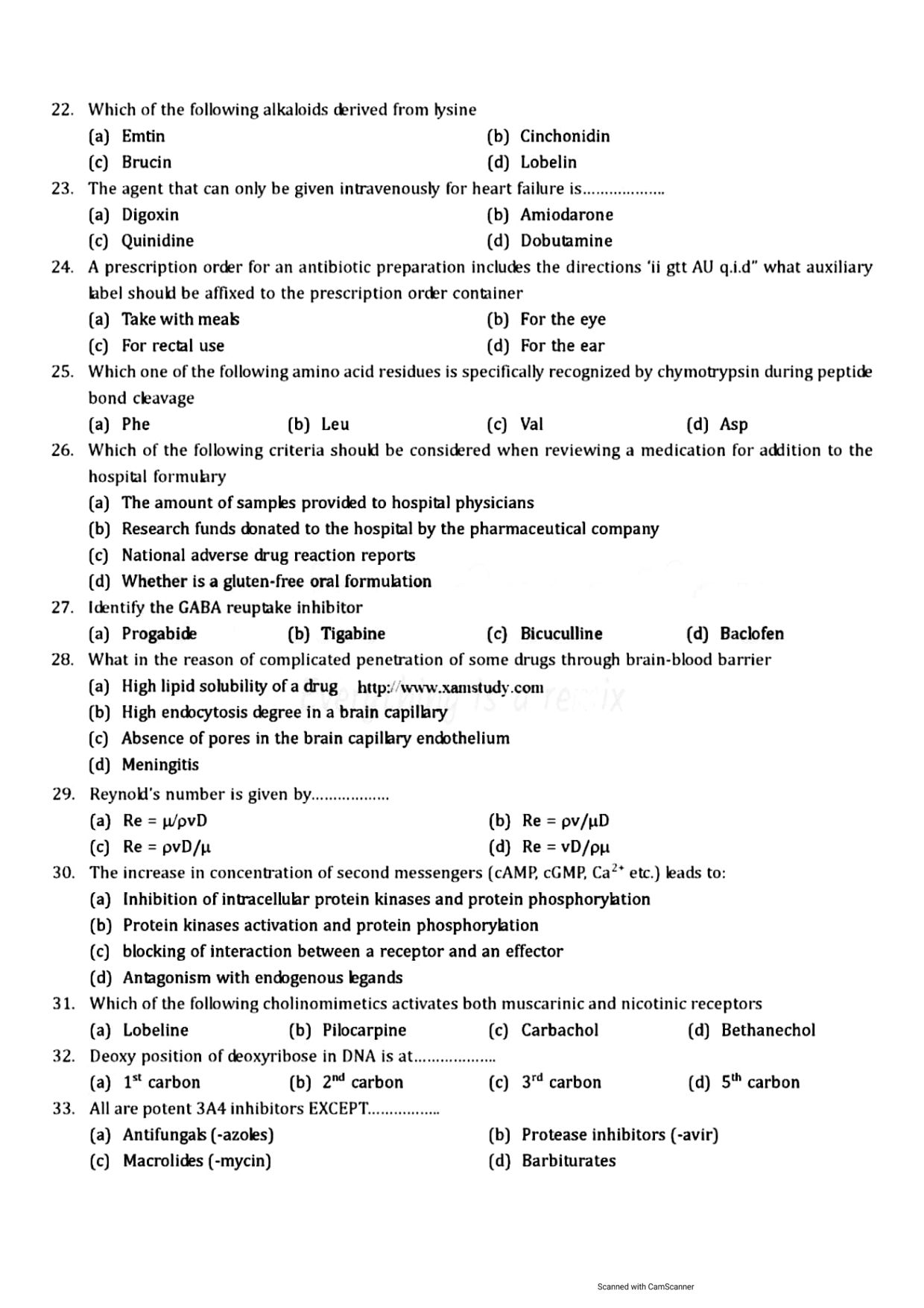
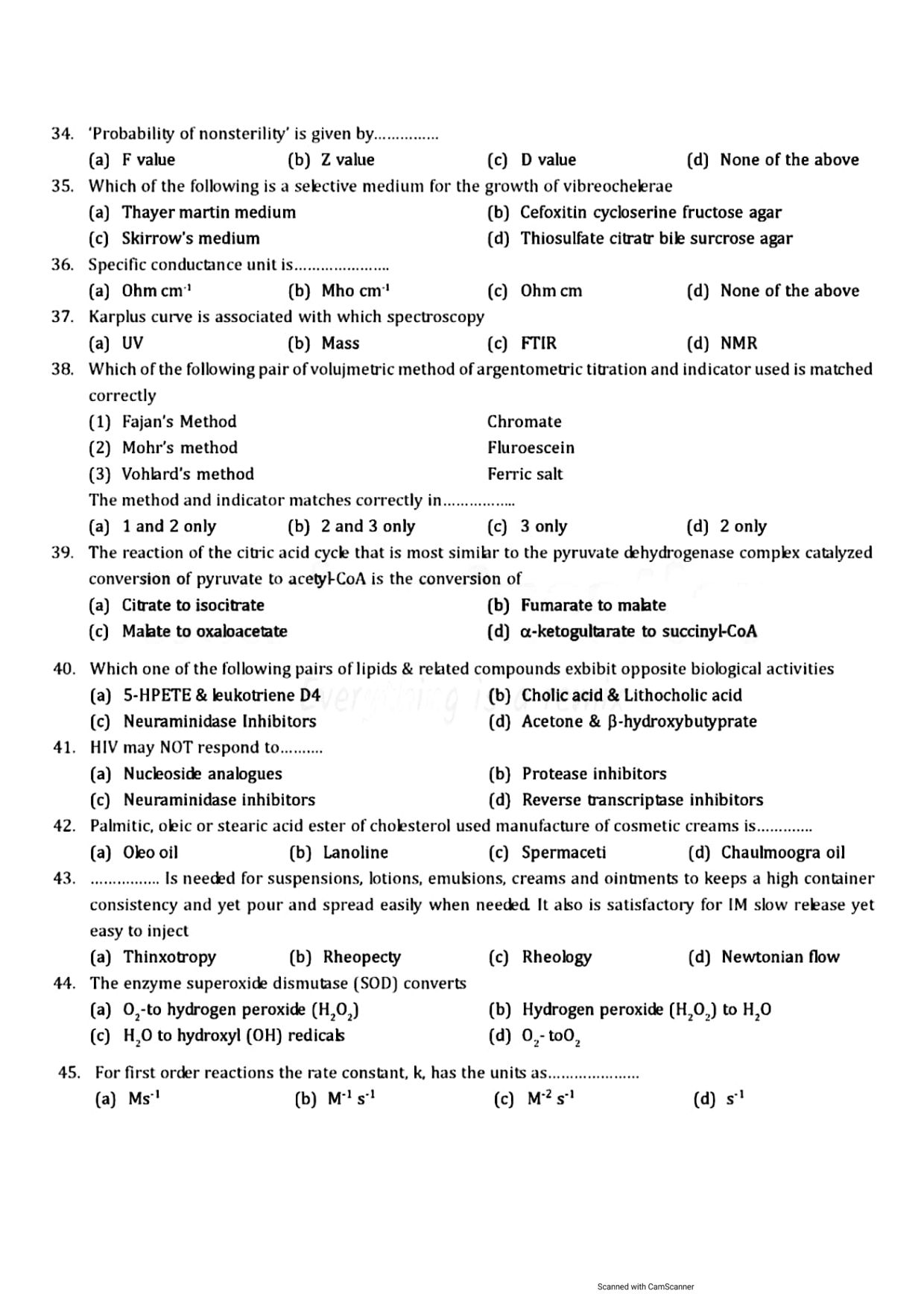
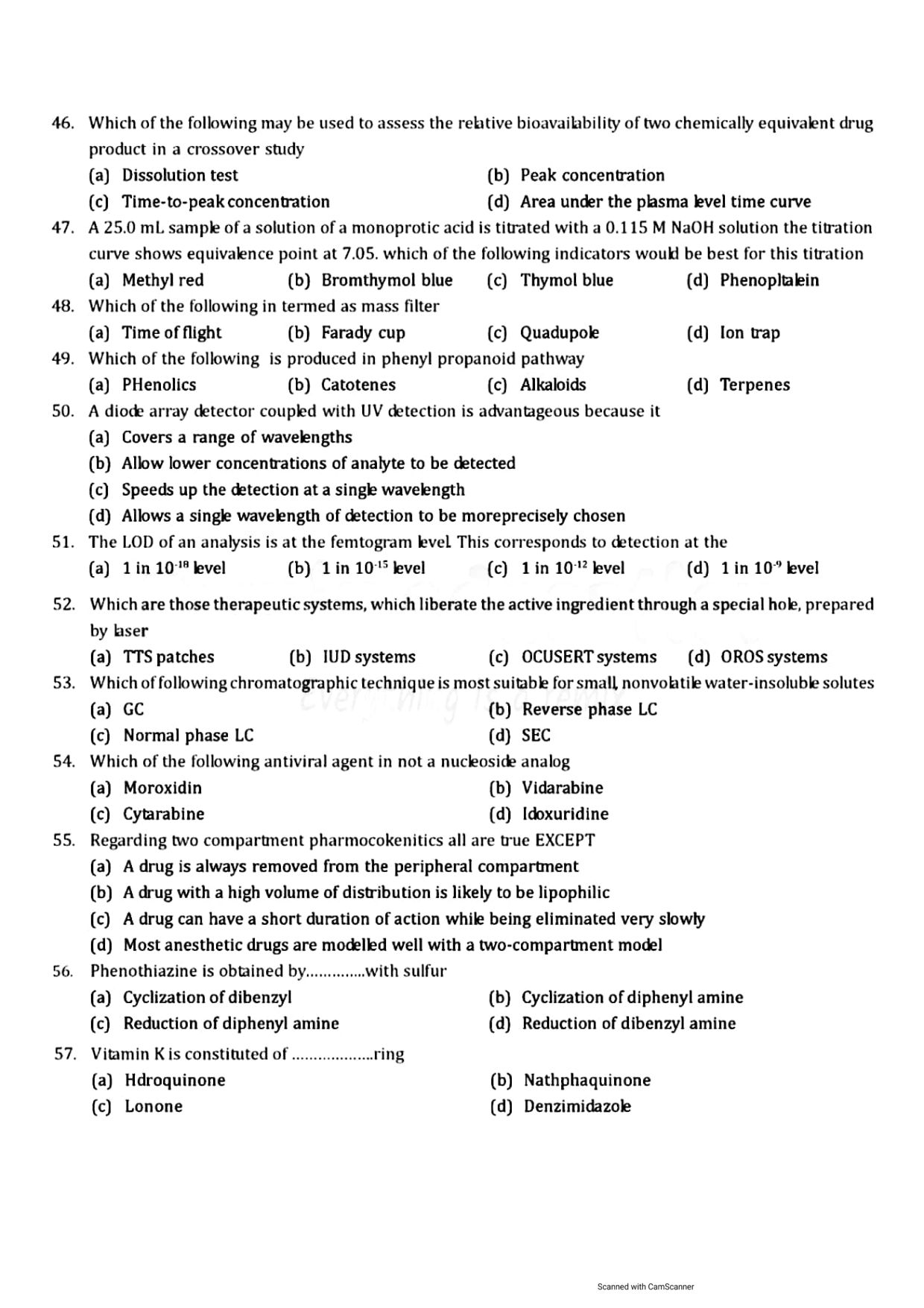
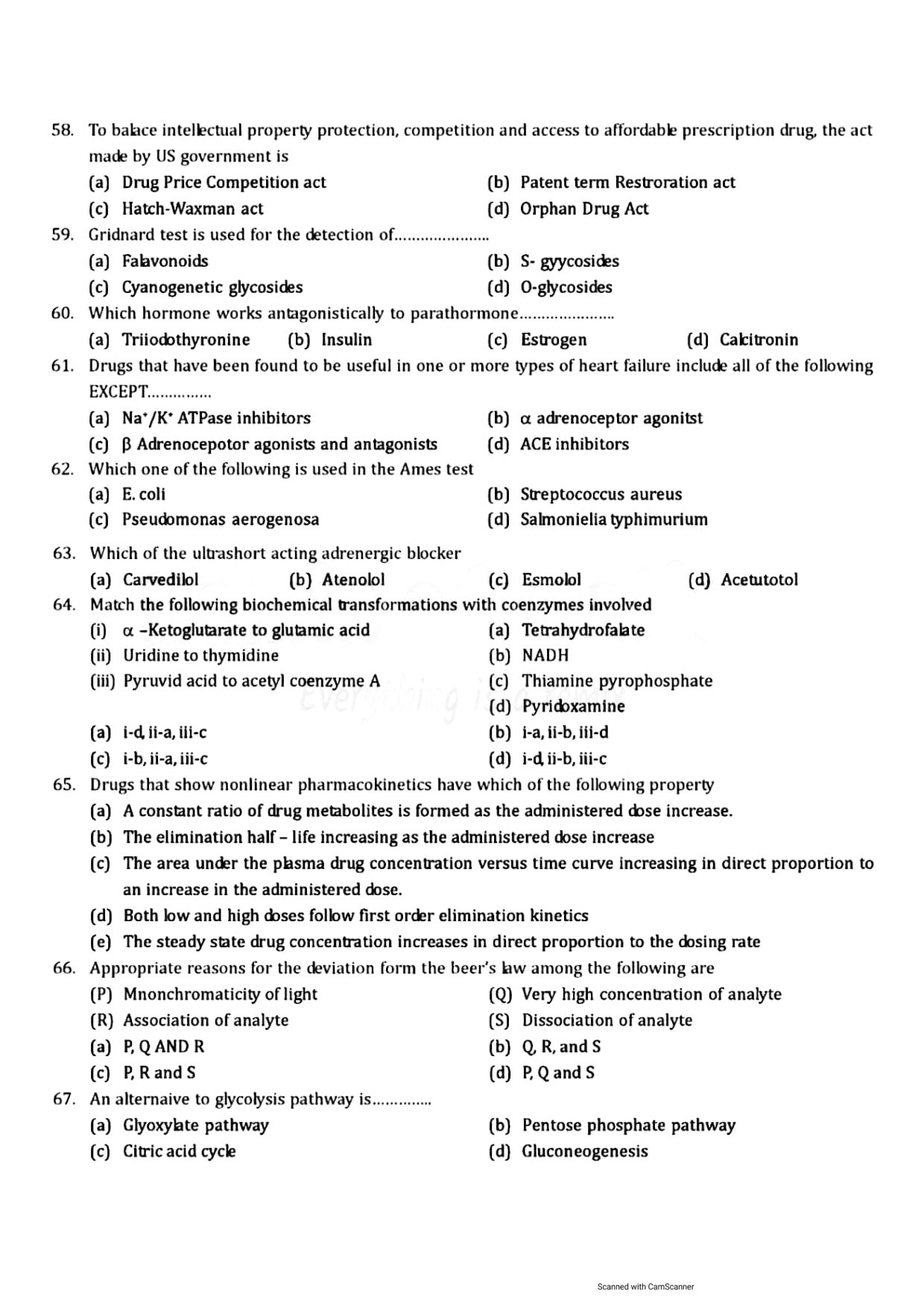
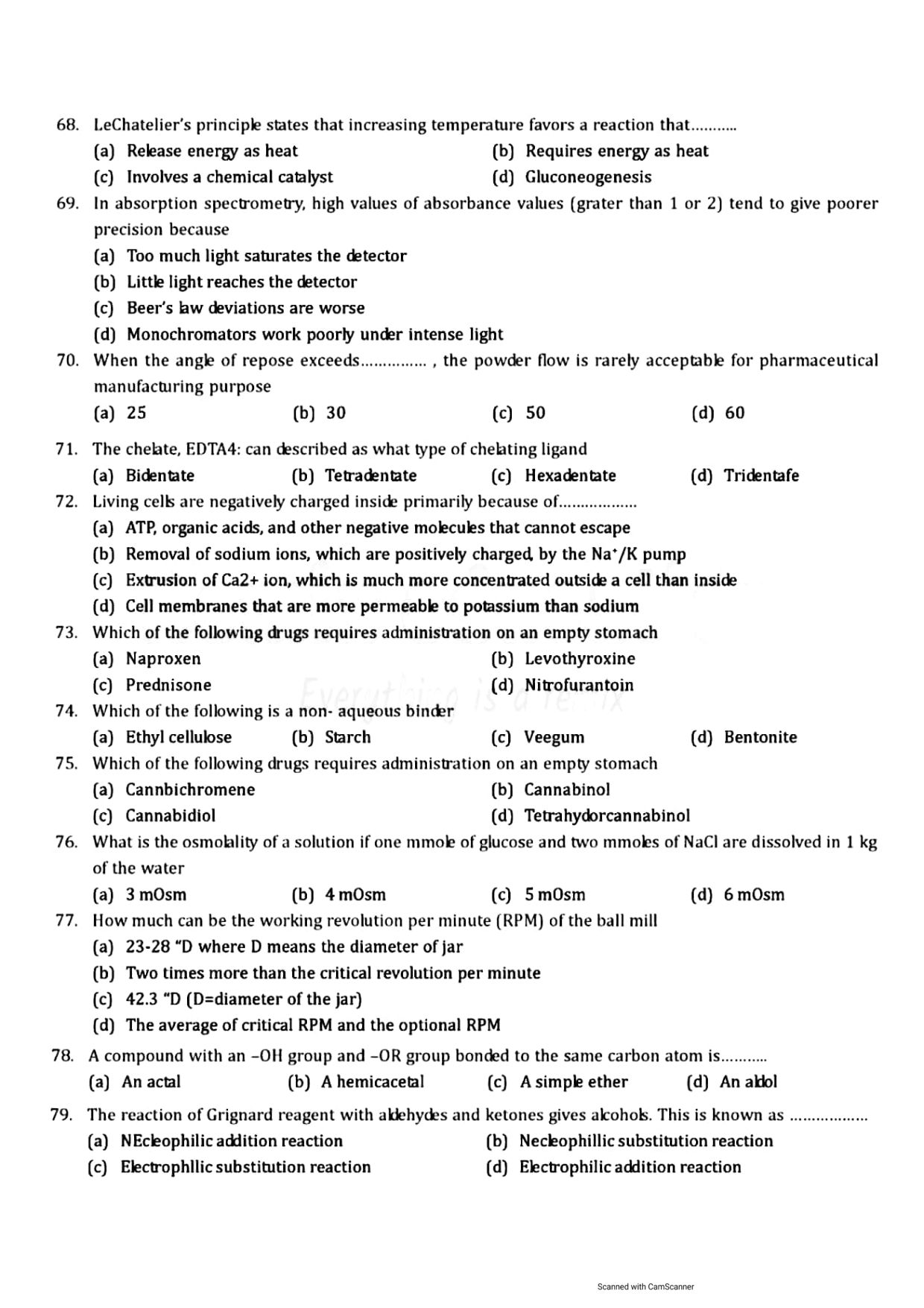
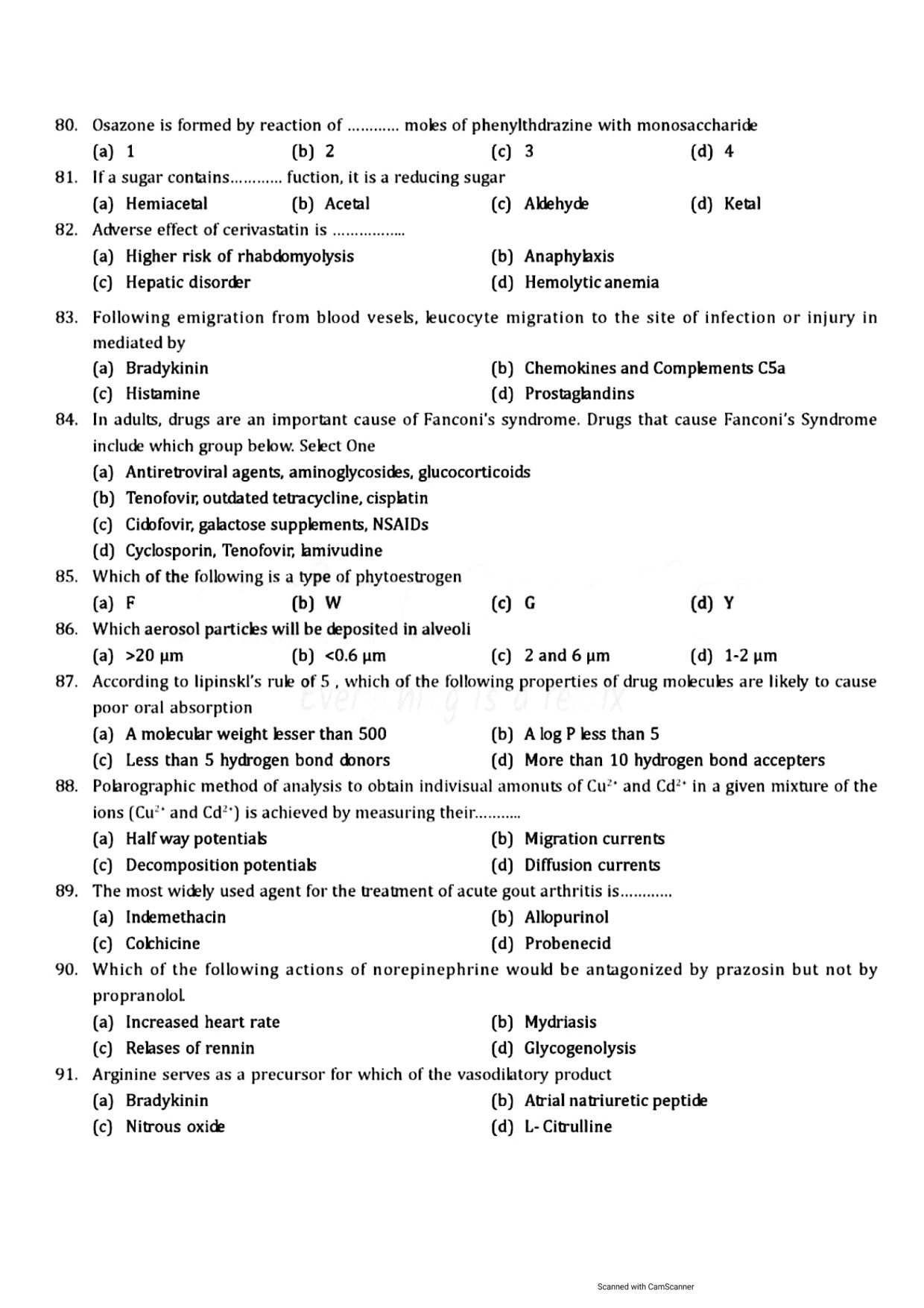
This is a scanned copy of the Graduate Pharmacy Aptitude Test (GPAT) 2013 question paper, with an answer key on the last page. It has 125 multiple-choice questions, nearly all with four options, in a single run with no sections; marks and time are not printed. Subjects are mixed throughout: tablet compaction and microencapsulation, NMR and UV spectroscopy, organic reactions, biochemistry, pharmacology, microbiology, pharmacognosy, pharmacokinetics, hospital and dispensing pharmacy, and US drug law such as the Hatch-Waxman Act. Short calculations cover clearance, osmolality and the percentage of a drug ionised at a given pH.
- Exam
- GPAT
- Subject
- GPAT
- Year
- 2013
- Questions
- 125
- Pages
- 11
- Answers included
- Yes
Topics covered
- Pharmaceutics and tablet technology
- Physical pharmacy and rheology
- Spectroscopy and chromatography
- Organic chemistry and carbohydrates
- Biochemistry and enzymes
- Pharmacology
- Pharmaceutical microbiology
- Pharmacognosy and plant tissue culture
- Biopharmaceutics and pharmacokinetics
- Hospital and dispensing pharmacy
- Drug regulation
Questions from this paper
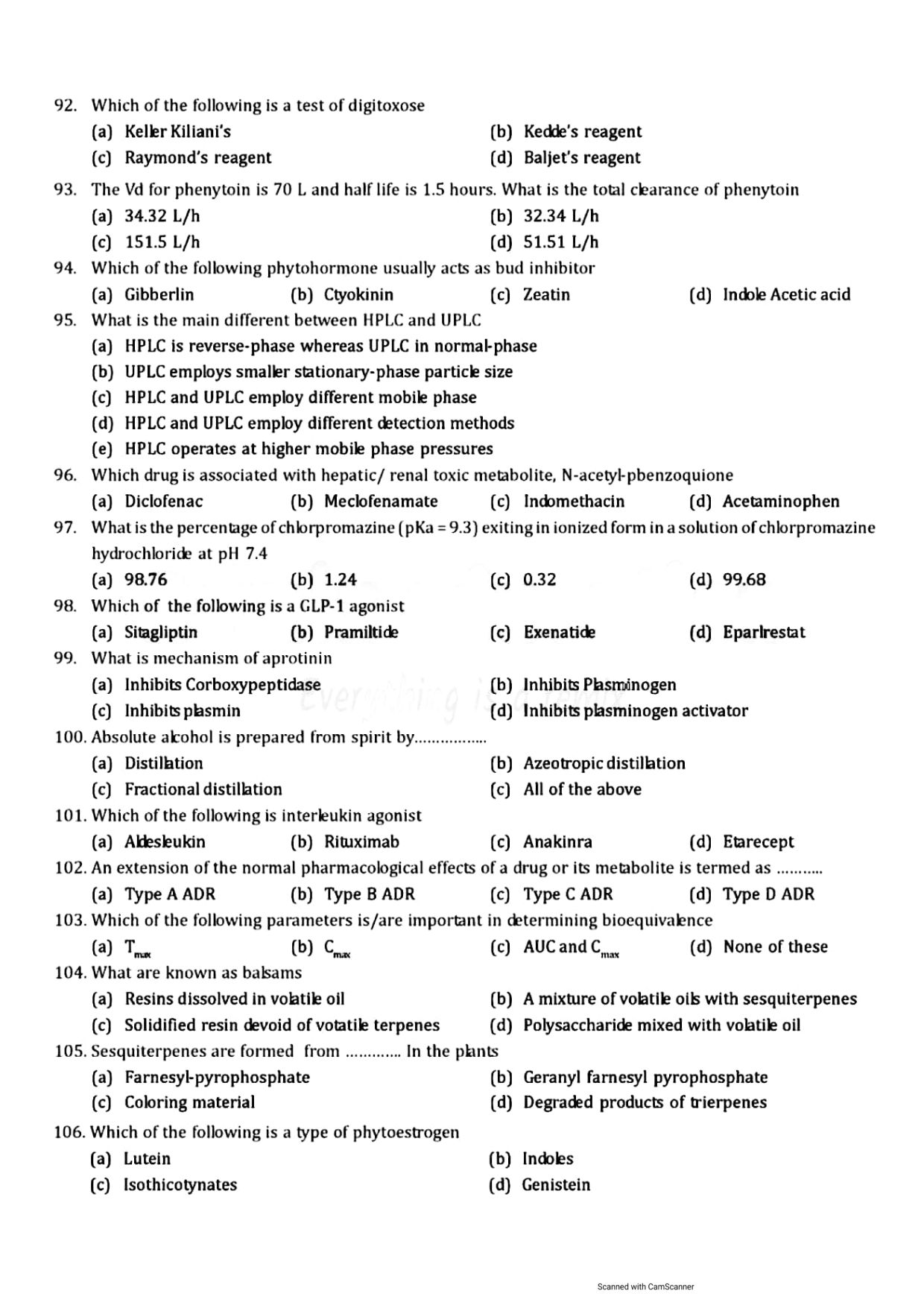
- What is the total clearance of phenytoin if its volume of distribution is 70 L and its half-life is 1.5 hours?
- A prescription for an antibiotic preparation reads 'ii gtt AU q.i.d.' Which auxiliary label should be put on the container?
- What is the osmolality of a solution of 1 mmol of glucose and 2 mmol of NaCl dissolved in 1 kg of water?
- Which organism is used in the Ames test?
- Which US act was made to balance intellectual property protection, competition and access to affordable prescription drugs?
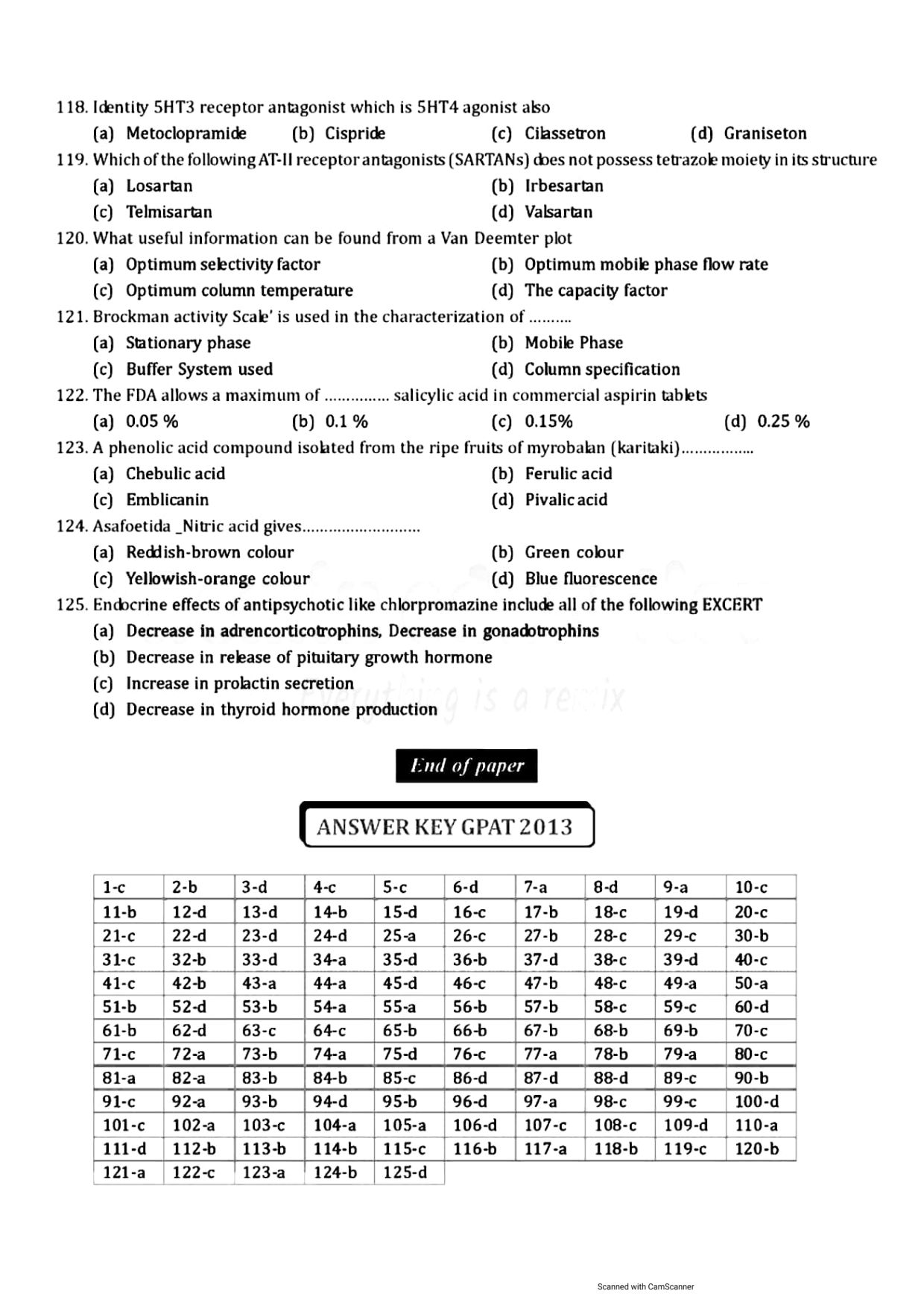
- What useful information can be obtained from a Van Deemter plot?
Free email alert
Get the 2027 GPAT papers first
One email when the new GPAT GPAT question papers are published here. No spam, unsubscribe any time.
What's next
Thinking about what comes next?
Scholarships, education loans, and study-abroad costs, explained with real numbers.
See guidance