ICSE 2019 Economic Applications Question Paper for Class 10

ICSE
Economic Applications2019ICSE 2019 Economic Applications solved question paper for class 10 - prepared by our expert teachers download and view previous year ICSE Economic Applications 2019 question and solve them to make sure you are well prepared.
Downloaded from www.cisce.org
About this paper
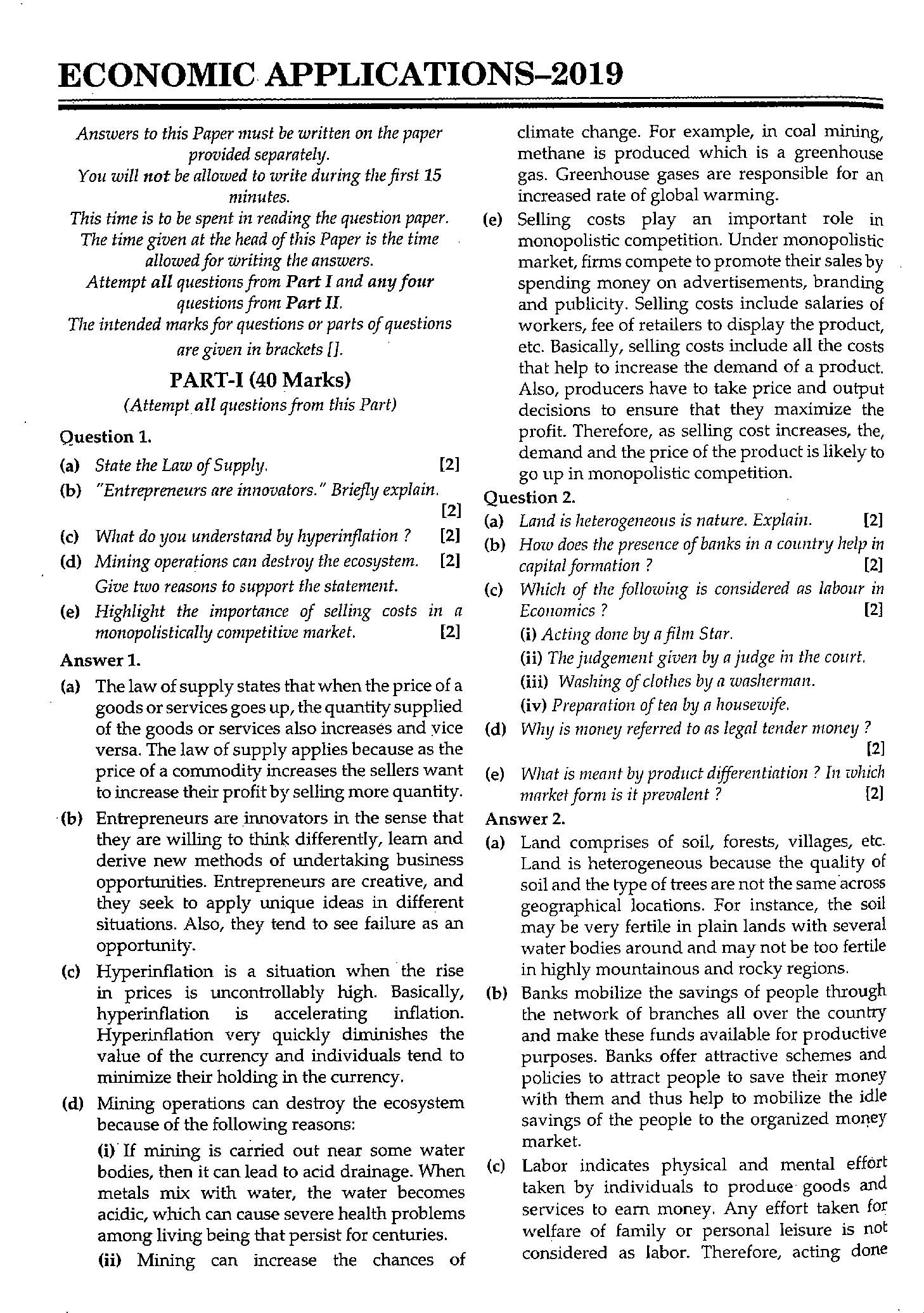
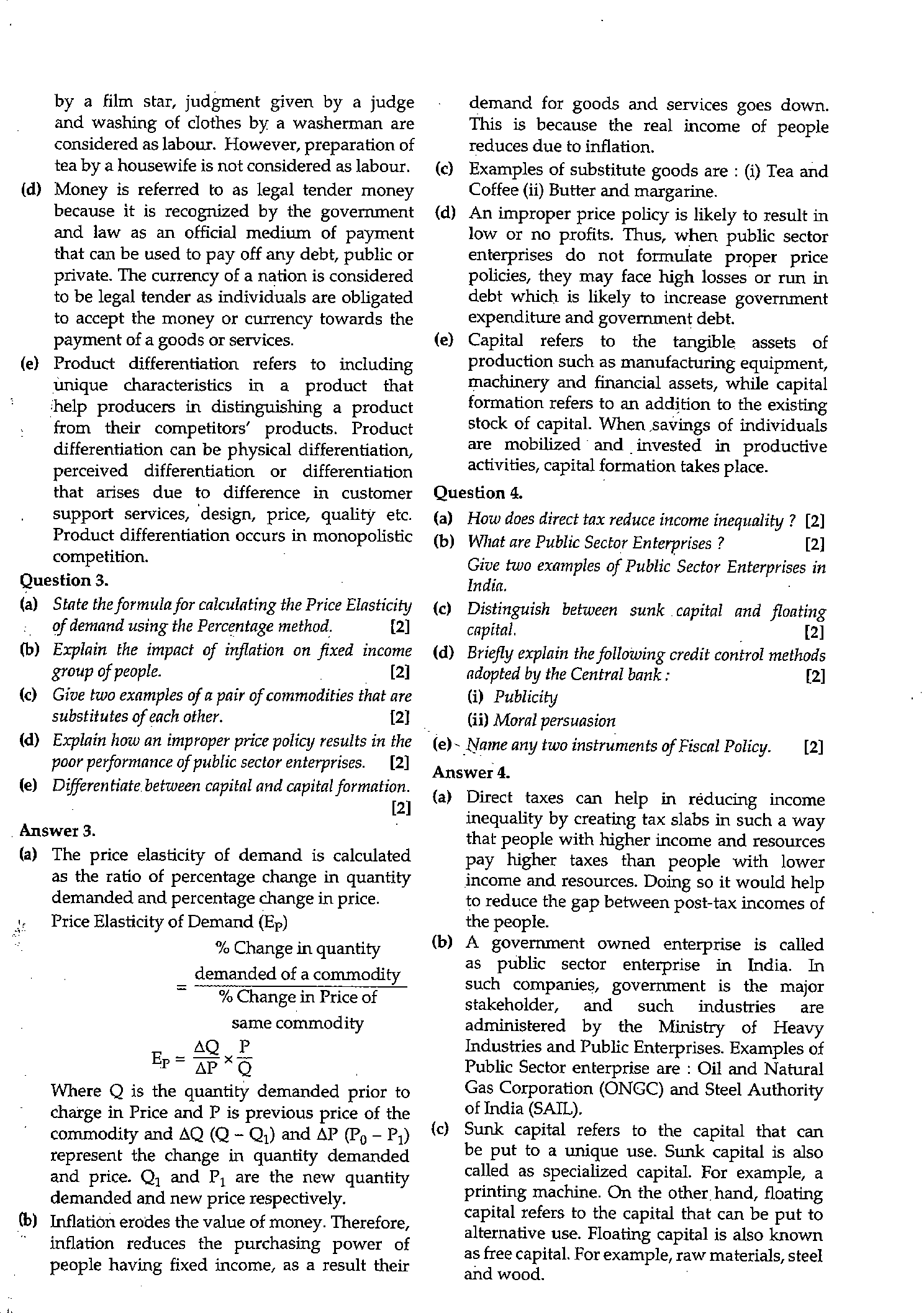
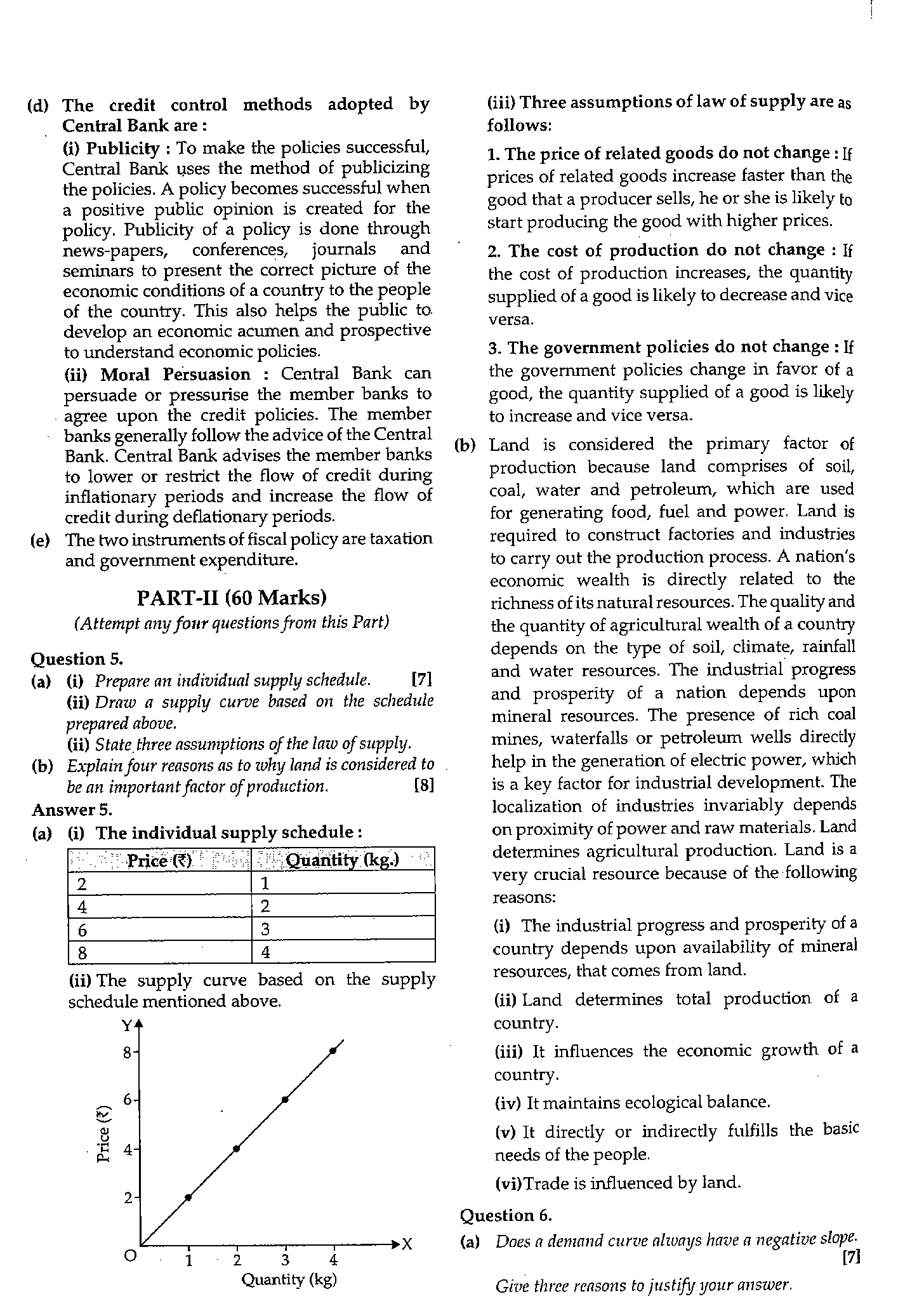
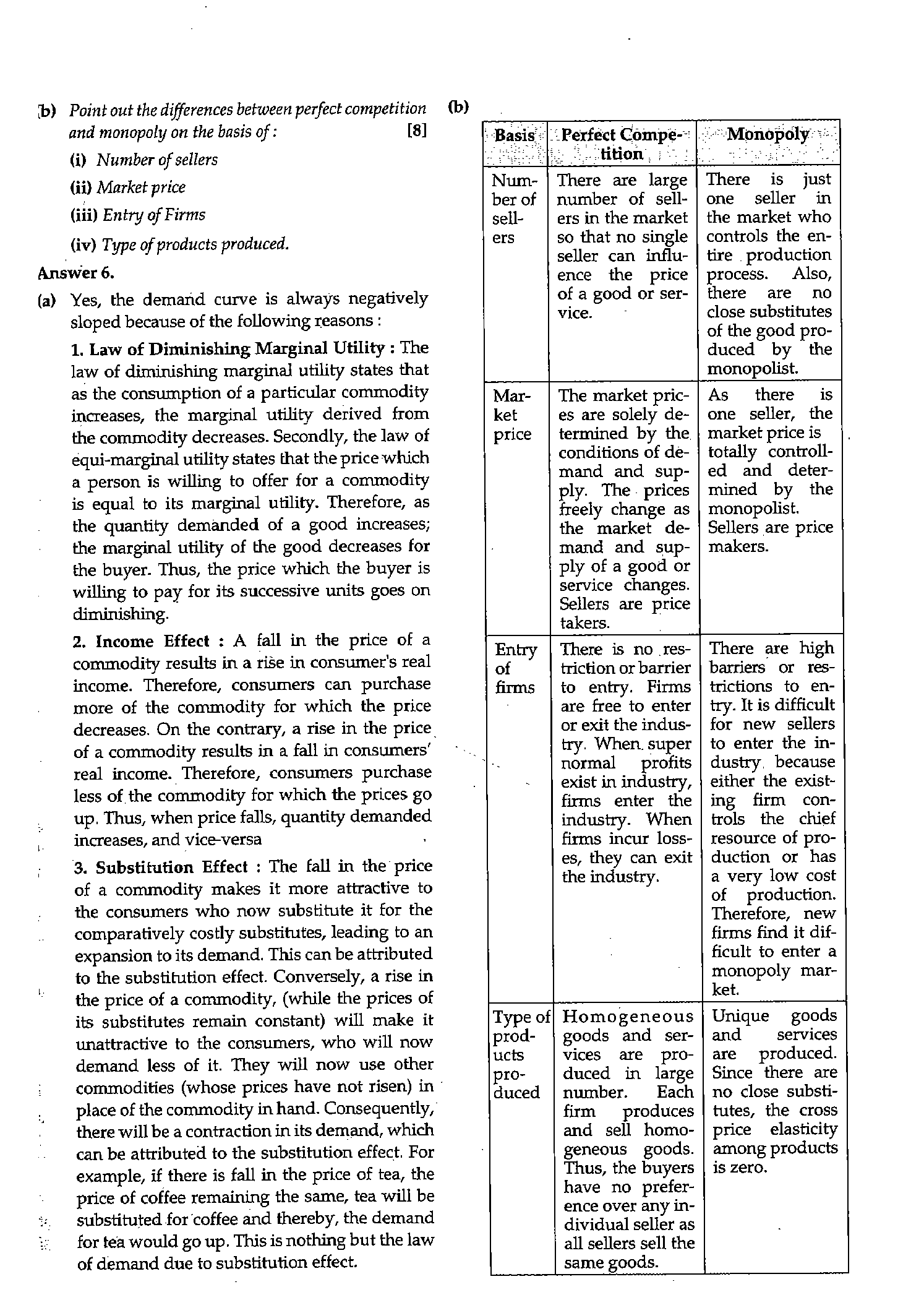
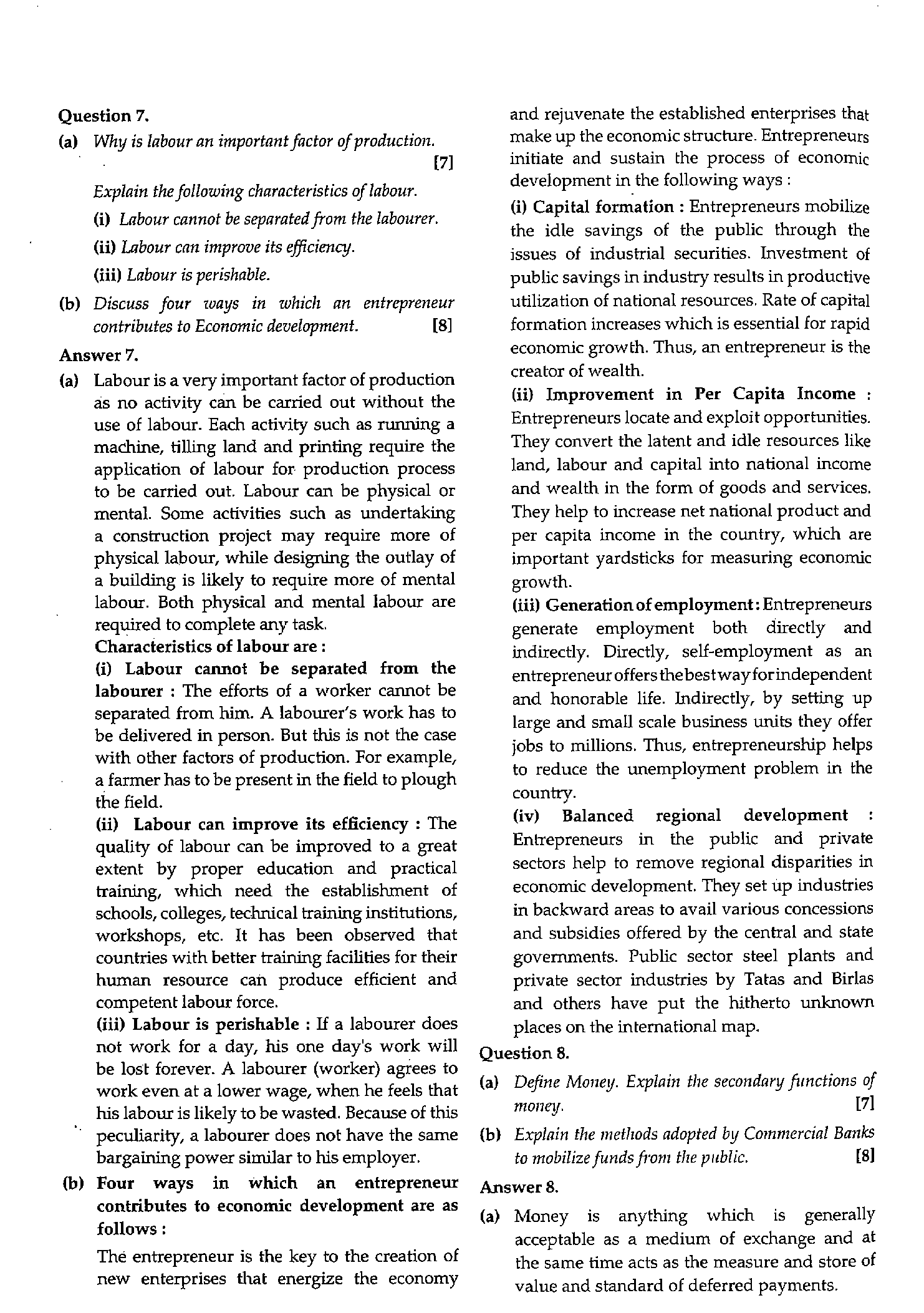
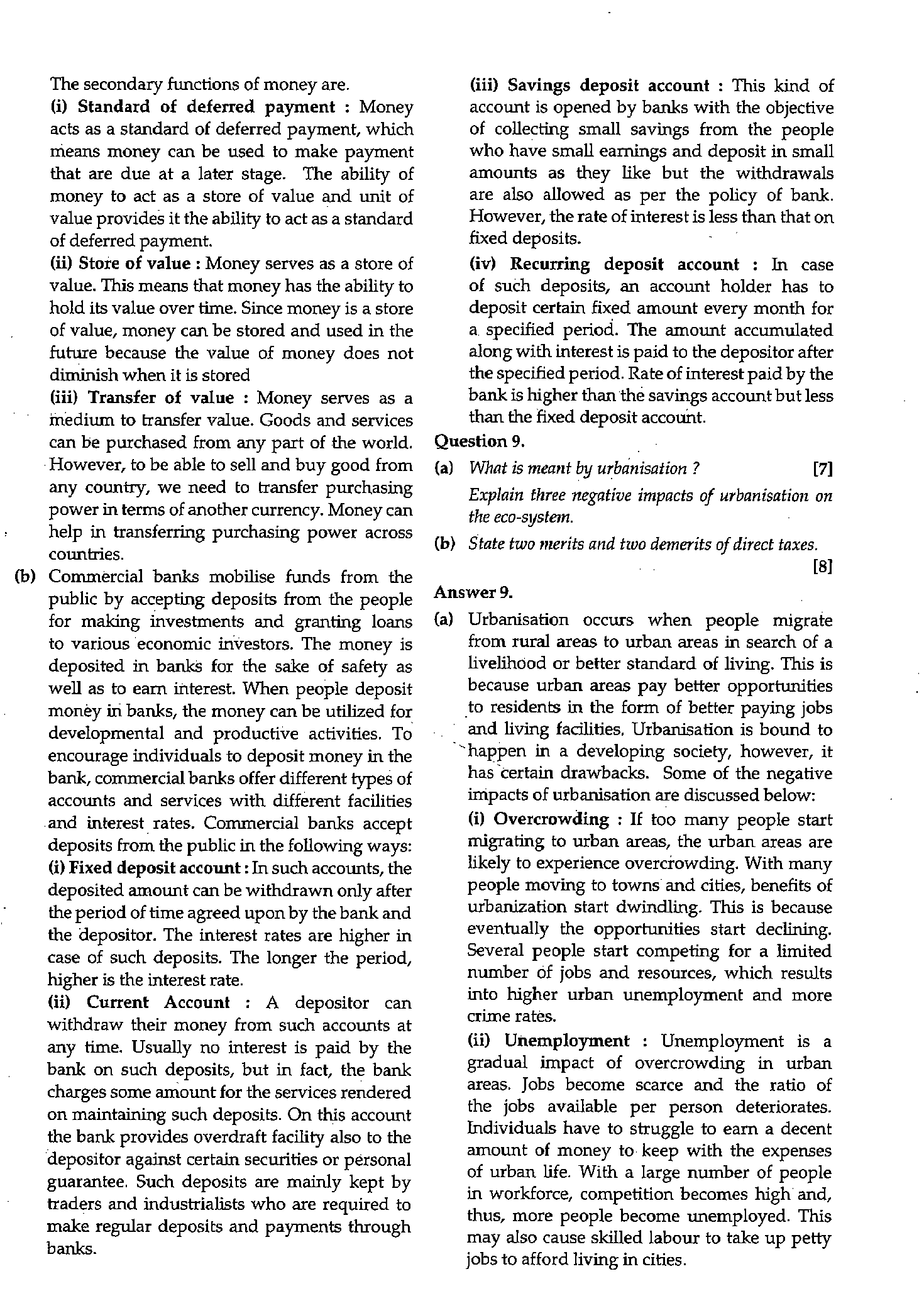
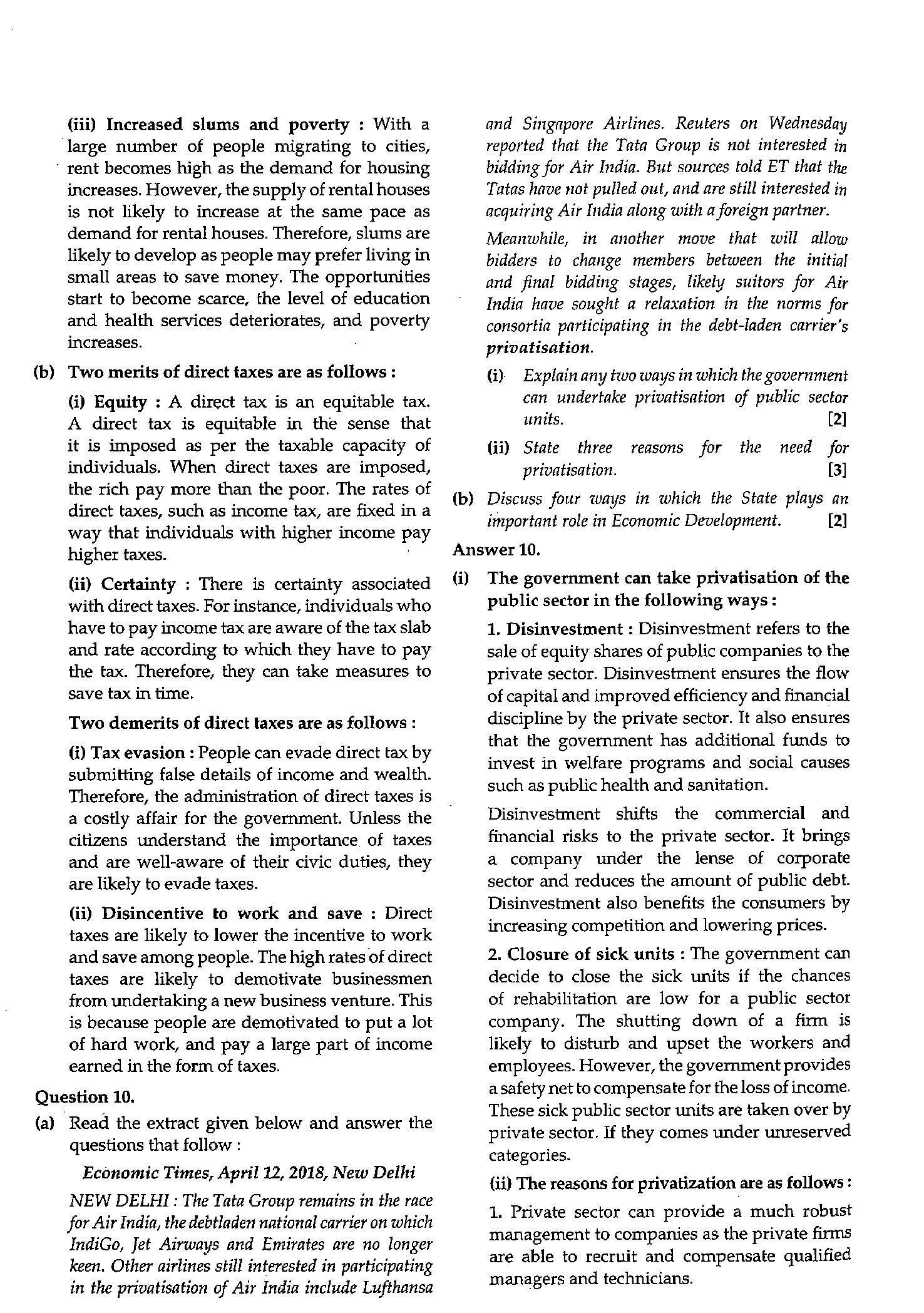
This is the ICSE Class 10 Economic Applications paper from the 2019 board examination, with a worked answer printed after every question. Part I (40 marks) has four compulsory questions of five two-mark parts each, ranging from the law of supply and hyperinflation to deciding which activities count as labour in economics. Part II (60 marks) asks students to attempt any four of six 15-mark questions on supply schedules and land, the slope of the demand curve and perfect competition versus monopoly, labour and entrepreneurs, money and bank deposits, urbanisation and direct taxes, and privatisation. The last question is based on an Economic Times extract from April 2018 about the bidding for Air India.
- Exam
- ICSE Class 10
- Subject
- Economic Applications
- Year
- 2019
- Maximum marks
- 100
- Questions
- 10
- Pages
- 7
- Answers included
- Yes
Paper pattern
Part I
40 marksQuestions 1–4, each with five two-mark parts; all compulsory
Part II
60 marksQuestions 5–10, 15 marks each, including an extract-based question on privatisation; attempt any four
Topics covered
- Law of demand and the demand curve
- Law of supply and supply schedules
- Elasticity of demand
- Factors of production: land, labour, capital and entrepreneur
- Perfect competition, monopoly and monopolistic competition
- Money and its functions
- Commercial banks and deposits
- Central bank and credit control
- Inflation
- Direct taxes and fiscal policy
- Public sector enterprises and privatisation
- Mining, urbanisation and the environment
Questions from this paper
- Which of the following is considered as labour in economics: acting done by a film star, the judgement given by a judge in court, washing of clothes by a washerman, or preparation of tea by a housewife?
- Explain the impact of inflation on the fixed-income group of people.
- Distinguish between sunk capital and floating capital.
- Does a demand curve always have a negative slope? Give three reasons to justify your answer.
- Explain the methods adopted by commercial banks to mobilise funds from the public.
- State two merits and two demerits of direct taxes.
Free email alert
Get the 2027 ICSE Class 10 papers first
One email when the new ICSE Class 10 Economic Applications question papers are published here. No spam, unsubscribe any time.
What's next
Class 10 done next year?
A number of scholarships for Class 11–12 depend on your Class 10 marks.
Check eligibility